
Impact
Career
Member stories
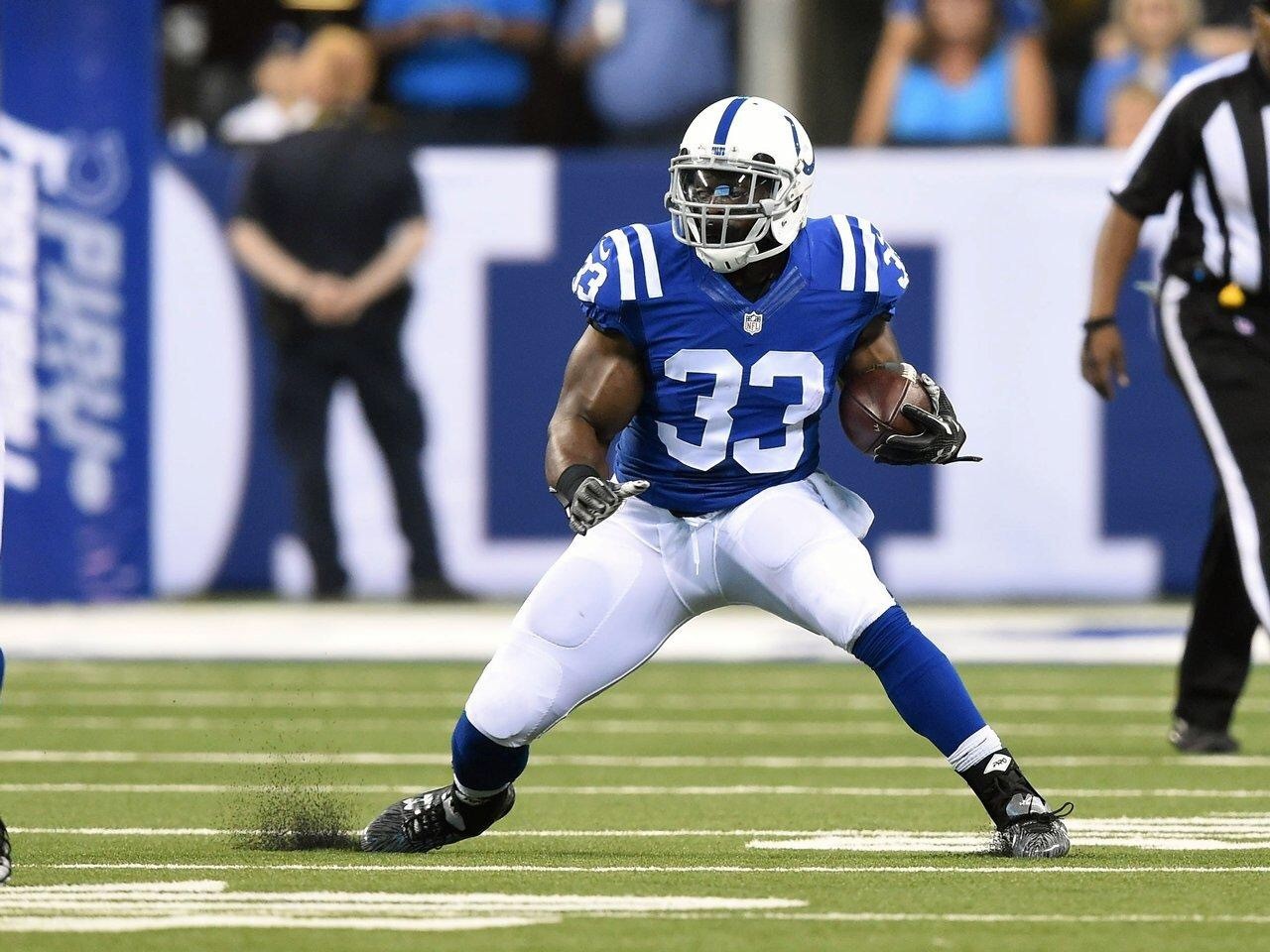
Who Am I Without My Sport?
"I didn't know who I was without football. Turbo was a football player. But who was Robert?"
That's Robert Turbin. Super Bowl champion. Eight years in the NFL. And the question that hit him hardest had nothing to do with the game.
It's the question almost every athlete faces eventually. Not "what's next?" Not "where do I work?" The deeper one. The one that sits in your chest at 2 a.m. when the schedule is empty and nobody's calling your name.
Who am I now?
If you're feeling that right now, you're not broken. You're not behind. You're going through something that has a name, a pattern, and a way forward. This post is about all three.
What Is Athlete Identity Transition?
Athlete identity transition is the process of redefining who you are after competitive sport ends. It means building confidence outside your sport, finding new purpose, and connecting with a community beyond the game. For most athletes, this is harder than any physical challenge they've faced.
Research backs this up. Studies show that athletes who strongly identify with their sport experience higher rates of anxiety and depression after retirement. One study found that nearly 39% of former professional athletes report mental health challenges within the first two years of leaving their sport.
This isn't weakness. It's what happens when your entire identity has been built around one thing, and that thing stops.
Will Carr, a former pro basketball player and founder of Gene Nutrition, put it this way:
"The hardest challenges I faced when transitioning out of sport were figuring out what my purpose was, and how to identify myself now that I'm no longer a competitive athlete. How do I continue that competitive edge while also finding what motivates me and what excites me to get up and out of bed in the morning?"
That's not a career problem. That's an identity problem. And it requires a different kind of playbook.
Why "Just Get a Job" Fails Athletes in Identity Transition
The people around you mean well. Your family, your agent, your former coaches. They see you struggling and they say the most logical thing they can think of: just find something to do.
But jumping straight into a job without addressing the identity shift underneath is like rehabbing a knee without fixing the ACL. You'll walk, but you won't move right.
Athletes who rush into the first available role often end up more lost than before. Not because the job is wrong, but because they haven't figured out what drives them outside of competition. The discipline is still there. The work ethic is still there. But without a clear sense of purpose, those tools have nothing to build toward.
Austin Smeenk, a Paralympic gold medalist and Team Canada wheelchair racer, described the disconnect this way:
"I came back from the Paralympics and literally felt like I came back from war. I've done nothing to promote myself. I haven't worked with any agents."
He'd reached the peak of his sport. And the world on the other side had no playbook waiting for him.
The first step isn't finding a job. The first step is figuring out who you are when you're not competing. Everything else builds from there.
Life After Sports Identity Loss: Every Athlete Goes Through This
One of the most isolating parts of athlete identity transition is the belief that you're the only one struggling with it. Your former teammates post highlight reels. Other athletes seem to land on their feet. You assume everyone else figured it out and you're the exception.
They didn't. And you're not.
Macoy Erkamps, a pro hockey player with 10 years in the game and co-founder of Free Agent, said something that stopped an entire room:
"Every single athlete goes through the exact same thing. Doesn't matter what sport you played. It's the exact same thing going on in their mind."
Football. Hockey. Basketball. Track. Olympic sports. The sport changes. The feeling doesn't.
Robert Turbin described what it felt like to finally hear other athletes say it out loud:
"When I sat in that room with 10 other former NFL players and heard them say the same things I was feeling, that changed everything. I wasn't alone."
That's the turning point for most athletes. Not a resume workshop. Not a LinkedIn course. The moment you realize other high-performers are sitting in the same uncertainty you are, and they're willing to talk about it.
Free Agent is where those conversations happen between real athletes, every day. If you're in the middle of this transition, the network is open.
How to Start Rebuilding Your Identity (Without Starting Over)
You're not starting from zero. You're starting from a decade of discipline, pressure, leadership, and teamwork that most professionals never develop. The goal isn't to erase the athlete. It's to expand beyond it.
Here's what works, based on what athletes inside the Free Agent network have shared:
Talk to athletes who've been through it. Not career coaches. Not motivational speakers. Athletes who've sat where you're sitting and came out the other side. Peer mentorship is the single most effective tool for athlete identity transition because it removes the shame and replaces it with proof that the path forward exists.
Will Carr said it clearly:
"As athletes, we're used to having coaches that teach us our sport. But finding coaches that will mentor you and guide you into the next phases of your life, that's just as important."
Give yourself permission to explore. You don't need to have it figured out by next month. The athletes who transition best are the ones who try things, fail at some, and keep moving. Athletes are already wired for turning setbacks into career wins. Your competitive drive doesn't need a final answer. It needs a direction.
Stop comparing your timeline to someone else's. Some athletes land their next chapter in six months. Some take two years. Neither timeline is wrong. What matters is that you're actively building, not just waiting for something to show up.
Find a community that gets it. Not a networking event full of business cards. A real community of athletes who understand the specific weight of walking away from sport. The kind of room where you can say "I don't know what I'm doing" and nobody flinches, because they've said the same thing.
Your Sport Built You. Your Next Chapter Proves It.
The identity you built in sport isn't gone. It's the foundation. The discipline, the resilience, the ability to perform when it matters. Those are permanent. What changes is the arena.
The athletes who navigate this transition best aren't the ones who forget they were athletes. They're the ones who find a community that understands where they've been and helps them figure out where they're going.
That's what Free Agent was built for. A private network of current and former elite athletes building careers, finding mentors, and figuring it out together. Not generic career advice. Real athletes who've been where you are, talking about it openly.