Back to Blog
Career
Member stories
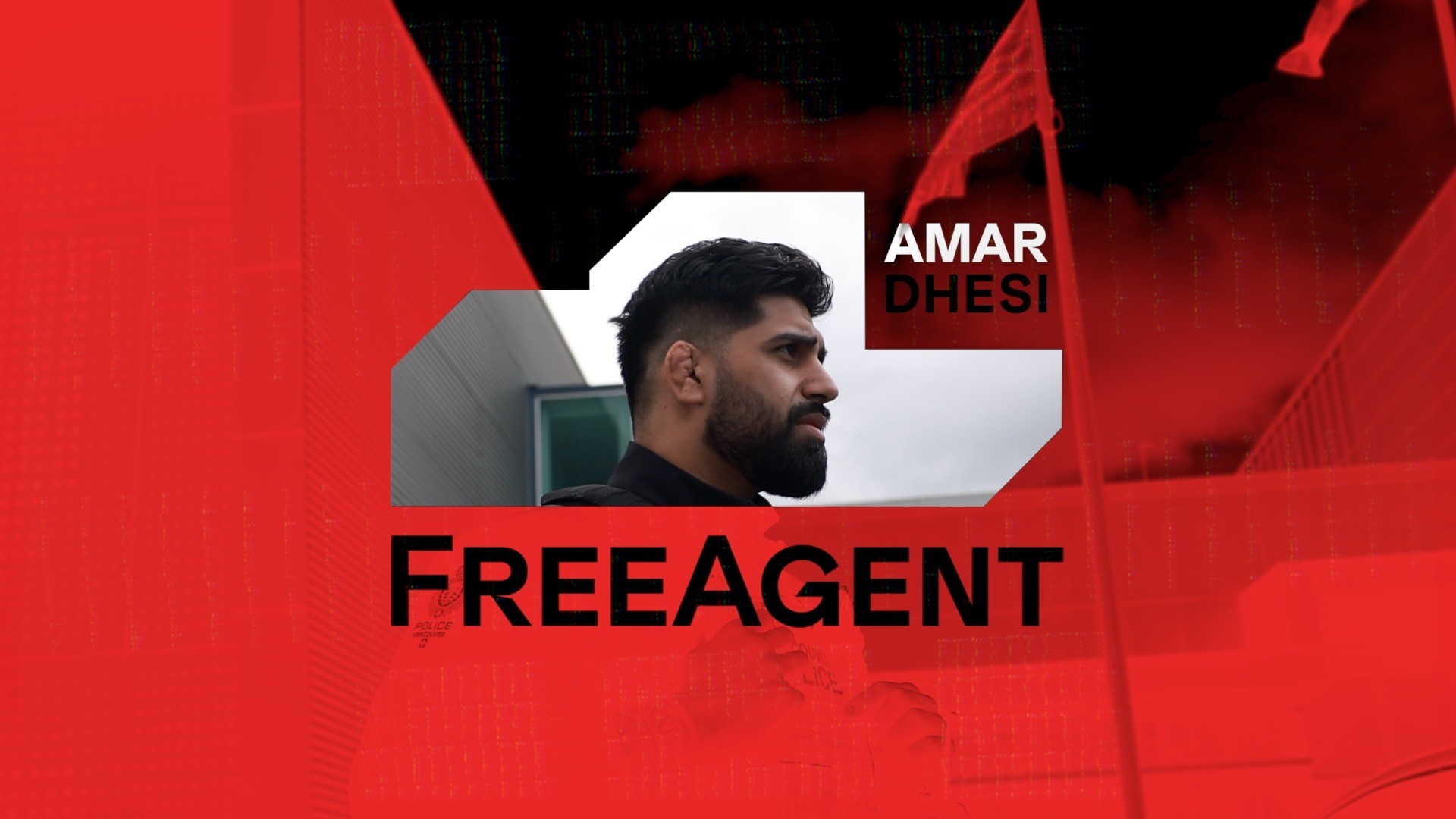
"If you think the best years are behind you, I would say that is ridiculous. Athletics is just one part of your life. The best years are ahead."
Amar Dhesi, Two-Time Olympian, Vancouver Police Officer
Amar Dhesi has stood on the Olympic mat twice, representing Canada in wrestling at Tokyo 2021 and Paris 2024. He grew up in Surrey, BC, the son of an immigrant father who opened a nonprofit wrestling club in 1976 and a police officer in India before that. Amar followed both paths.
Today he is a patrol officer with the Vancouver Police Department, a coach at a national training center, and one of the clearest examples of what it looks like when an elite athlete builds a second chapter with the same intention they brought to their first.
This is his story. And more importantly, it is a map for any athlete trying to figure out what comes next.
The Moment the Schedule Stops
Every athlete who has ever retired from sport knows the feeling Amar describes. The structure disappears. The daily rhythm of practice, training, competition, and purpose suddenly has no replacement. For most athletes, that moment arrives without warning and without a plan.
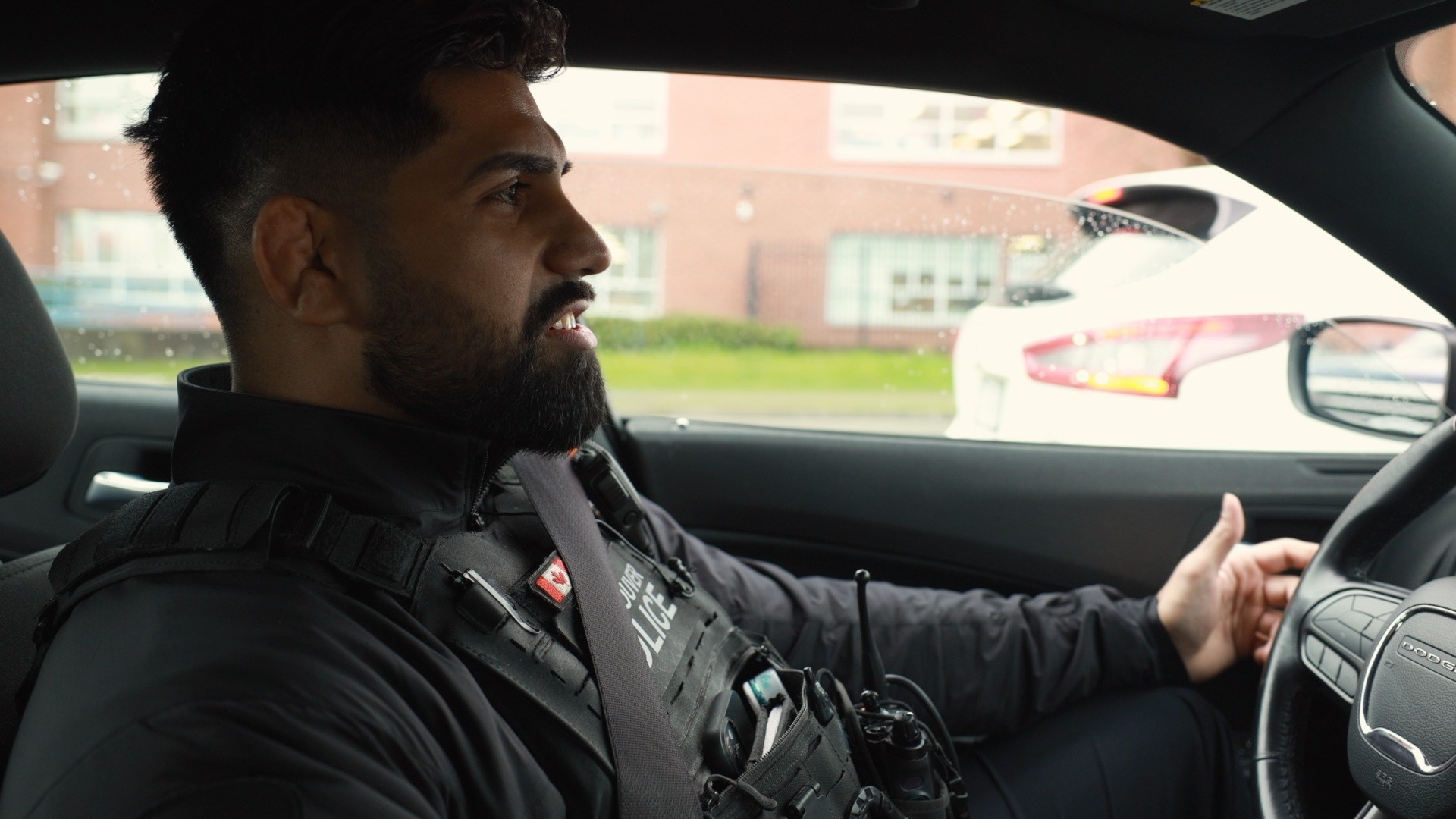
For Amar, the transition was different from most. He did not wait for his athletic career to end before building what came next. He joined the Vancouver Police Department before his second Olympics, completing the academy while still competing at the highest level of his sport.
"Right before the 2024 Paris Olympics, I actually joined the police department. I chose Vancouver Police for that. And it was one of the best decisions I have made till now."
Amar Dhesi
That overlap, training for an Olympic Games while beginning a new career, is not something most people would attempt. But it reflects something core to how athletes are wired. The ability to run two demanding things in parallel, to compartmentalize pressure, and to show up fully in both arenas, is not something you develop in a classroom. It is something sport builds over years of competition.
Why Policing Made Sense for an Olympic Wrestler
Amar did not stumble into policing. His father was a police officer in India before immigrating to Canada. His older brother joined the Vancouver Police Department before him. The path was familiar, but the decision was his own.
"It was something that I was always interested in. It was something I knew would be challenging. And as athletes, we look for challenges."
Amar Dhesi
What makes policing a natural fit for athletes goes beyond the physical demands. Amar talks about it in terms of the values that carry over: discipline, resilience, composure under pressure, and the ability to make real-time decisions when the stakes are highest.
"Imagine stepping onto the Olympic mat for your first match at the Olympics. That is that storm, right? Finding that presence and that calmness is what helps me get through it. With policing it is no different. We attend critical moments of people's lives and we have to stay calm in those times where everyone else is stressing out."
Amar Dhesi
That calmness in the storm is not a personality trait. It is a skill that gets built through years of performing in high-pressure environments. Athletes have it. Most people who have never competed at a high level do not.
The Part Nobody Talks About: Starting Over
One of the most honest moments in Amar's story is when he talks about what it felt like to go from being one of the best wrestlers in the world to being the newest person in the room.
"My brother told me, you are going from the highest level in your sport, and then you are going through something totally different and new. You are going to be the lowest level. You are leaving something you were great at for something you do not know anything about."
Amar Dhesi
That moment is universal for athletes in transition. The skills, the status, the certainty about who you are and where you stand, all of it resets. It is uncomfortable. Amar does not pretend otherwise.
What got him through it was the same thing that got him through every difficult training session and every tough loss in his wrestling career. He leaned into being a learner.
"My athletic background just kicked in. Asking those questions, wanting to learn the job, wanting to learn everything there is to it. I wanted to study law. I like learning about that stuff. I will read the criminal code on my off days just because I want to be more knowledgeable."
Amar Dhesi
That is coachability in action. Not as a buzzword on a resume, but as a lived behavior. The same instinct that made Amar a two-time Olympian is the same one making him a strong police officer. The arena changed. The operating system did not.
The Superpower Athletes Do Not Realize They Have
When asked what one superpower every elite athlete has that they do not realize will make them successful in the workforce, Amar did not hesitate.
"Resiliency. Every athlete has to overcome adversity at some point in their career. There is no way that you do not. And being resilient, because in any sport you are going to learn how to deal with those losses. That just translates to life. You harden yourself through those losses, through those hard moments, and then you learn how to deal with that."
Amar Dhesi
It is a simple answer. But it is the right one. Resilience is the trait that separates athletes who thrive in career transitions from the ones who stall. It is not intelligence or credentials or connections. It is the ability to absorb a hard moment, process it, and keep moving.
Sport builds that over years of losing, being benched, getting injured, and coming back. By the time an athlete reaches the end of their playing career, they have been through more adversity than most people will face in a lifetime. That is not a liability in the workforce. It is the most valuable thing they own.
What Amar Would Tell His 22-Year-Old Self
Amar's answer to this question is one of the most practical pieces of advice in the entire interview.
"Do not be so serious. Have a little more fun in the sense of enjoy the journey, not so much the outcome. Find fun in the process. And then just look forward to the future."
Amar Dhesi
He talks about how as a younger athlete he was so focused on competition to competition, goal to goal, that he thought you should not smile after a loss. That laughing was not appropriate. Looking back at it now he says plainly: that is ridiculous.
The lesson is not that competition does not matter. It is that the athlete who can compete fully and then let go fully is the one who lasts the longest and performs the best. That same principle applies to career transitions. Taking the next chapter seriously does not mean making it heavier than it needs to be.
The Identity Question Every Athlete Has to Answer
The hardest part of Amar's transition was not physical. It was not finding a job. It was identity.
"Athletes are so intertwined with their sport. Your whole life you have been working towards it. Competition to competition, training in the mornings, it is a very routine schedule. And once you retire or step away, you feel like you are losing your identity. But it is actually the opposite. You are gaining something else. You are gaining something more."
Amar Dhesi
That reframe is everything. The athlete who enters their transition believing they are losing something will approach it with fear. The athlete who enters it believing they are gaining something will approach it with curiosity and energy.
Amar did not stop being a wrestler when he put on the badge. He is still coaching at the national training center, still mentoring young athletes, still competing in the sense that matters to him. The sport did not end. It became part of a larger identity instead of the whole thing.
What Amar's Story Means for You
Amar Dhesi is not an outlier. He is an example of what is possible when an athlete takes the same intentionality they brought to sport and applies it to what comes next.
The traits that made him a two-time Olympian are the same ones making him a strong police officer, a respected coach, and a mentor to young athletes figuring out their own next chapters. None of that required him to become a different person. It required him to recognize that who he already was had value beyond the mat.
If you are an athlete building your next chapter, or trying to figure out where to start, Free Agent is the network where athletes like Amar are already connected and available to talk. You do not have to figure this out alone.
"Free Agent is such a great platform. Anytime you have any questions about policing, or athletics in general, or mindset, I am always there to help. Whether it be football, soccer, wrestling, hockey, it is the same mindset and the same goals we work towards."
Amar Dhesi
Join Free Agent at gofreeagent.com